On recognisable style, the pressure of a lasting image, and allowing ourselves to break character.
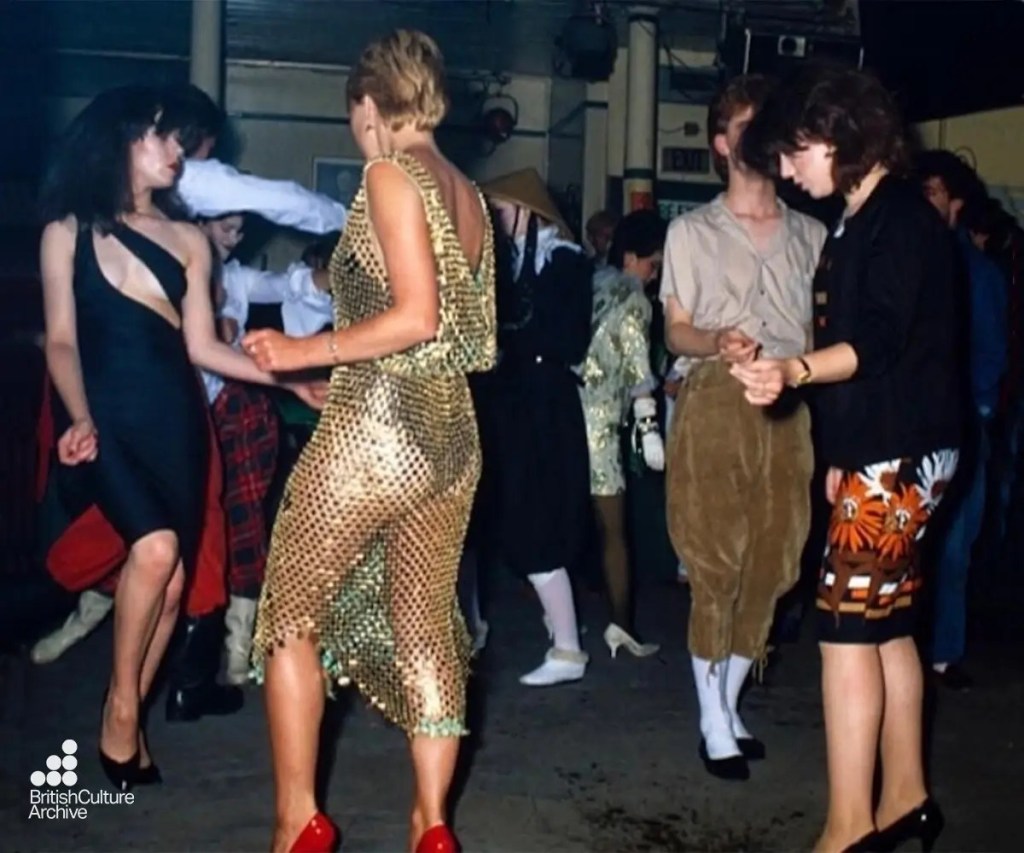
Cover: Blitz Club, London, 1980. Photograph © Andrew Holligan, via British Culture Archive.
I’m happy for someone to know I thought about my outfit. I did.
I chose the earrings. I considered the shoes. There may have been a second opinion on the belt, even if both opinions were mine. I enjoy the little decisions that go into getting dressed, and I see no particular reason to pretend they happened by accident.
“Effortless” is a lovely compliment until it starts to sound like a requirement. We’re expected to look good, preferably very good, while appearing to have given the matter very little thought. Show too much enthusiasm and suddenly you’re trying too hard. An odd criticism in a world where clothes are supposed to be interesting.
Still, I’ve noticed how easily the pleasure of getting dressed can become tangled up with the pressure to get it right. Not simply to look good, but to look like someone who knows exactly what she’s doing.
And somewhere between developing good taste and demonstrating it, I wonder whether we’ve become a little too concerned with looking certain of ourselves to enjoy the occasional mistake.
The effort of looking effortless
Concealed effort has an impressively long history. In The Book of the Courtier, first published in 1528, Baldassarre Castiglione describes sprezzatura: a cultivated nonchalance that hides the work behind an accomplishment. Leonard Eckstein Opdycke’s translation puts it as appearing to act “without effort and almost without thought.”
This was an ideal of aristocratic conduct, reaching well beyond clothes. But the social appeal is familiar: ability looks more impressive when it appears to come naturally. Practice is useful; being caught practising is rather less glamorous.
Fashion, of course, has made something of an art of this. We admire an outfit that looks instinctive, as though its wearer simply opened her wardrobe and happened upon perfection. Never mind the discarded combinations, the questionable purchases, or the mornings spent deciding whether two things look wonderful together or absolutely dreadful. We seem perfectly happy to admire good taste, provided nobody makes the mistake of showing us how much thought went into it.
The girl I wanted people to recognise
In my piece about NANA and Vivienne Westwood, I wrote: “I wanted pieces people would recognise as mine.” I loved how immediately the characters’ clothes seemed to tell us who they were. Hachi’s pearls and softness gave me something to imagine for myself. A recognisable wardrobe felt like a way of becoming visible.
I still understand that desire. There is something intimate about a friend seeing a dress and thinking of you. Being known for the things you love can feel like being understood.
But I want to leave room between “that is so you” and “that isn’t you.” One can be an affectionate recognition; the other can start to sound like a rule. If I have spent years showing people the romantic girl, am I allowed a day when I don’t particularly feel like dressing as her?
Perhaps that’s why I find myself thinking about first drafts. Writing has taught me that not everything has to work the first time. Some attempts are terrible. Others only become interesting after I’ve made a complete mess of them. I’d like to approach getting dressed with that same curiosity: to try an unfamiliar silhouette, decide it looks ridiculous, and perhaps feel differently about it the following Tuesday. Not every outfit needs to be a finished piece.
An afternoon becomes a lasting picture
The pressure to look effortless becomes a pressure to look finished. I see it in the immaculate images that fill fashion campaigns and social feeds: a flawless face, carefully arranged hair, clothes and surroundings that seem to agree on exactly who this person is. The whole image is so convincing that it is easy to forget how much has been selected to make it.
Even a “get ready with me” can be edited into a neat little journey whose destination was known before we arrived. The hesitation has a place in the story because we already know it will lead to a successful look. An ordinary experiment offers no such guarantee. Sometimes the shoes really were the wrong shoes.
An outfit can be taken off that evening. Its photograph might stay on a profile for years. I wonder what happens when we start anticipating that lasting image while we are still getting dressed. Would we choose the reliably flattering combination over the strange one we haven’t quite worked out? Would we remove the detail that makes us smile because it looks distracting in a photograph?
That is where I think the demand for perfection can stifle whimsy. An unusual accessory might look wonderful in motion, catch someone’s eye across a room, or make an otherwise ordinary Tuesday feel a little more interesting. It doesn’t necessarily need to improve the composition of a photograph to be worth wearing.
And yet, when we’re already imagining how an outfit will look on a screen, it’s tempting to edit ourselves before anybody else has seen us. We choose the combination we know works. We remove the detail we’re uncertain about. The photograph might be better for it, but I wonder whether the afternoon is.
Somewhere to take the outfit
I find myself wanting to ask what an outfit might let us do, as well as how it will look. That is part of what draws me to photographs of London’s Blitz Club, where getting ready for a Tuesday night could occupy the week. London Museum describes regulars buying fabric and customising existing clothes, with future designers including Stephen Jones and Stephen Linard among the crowd.
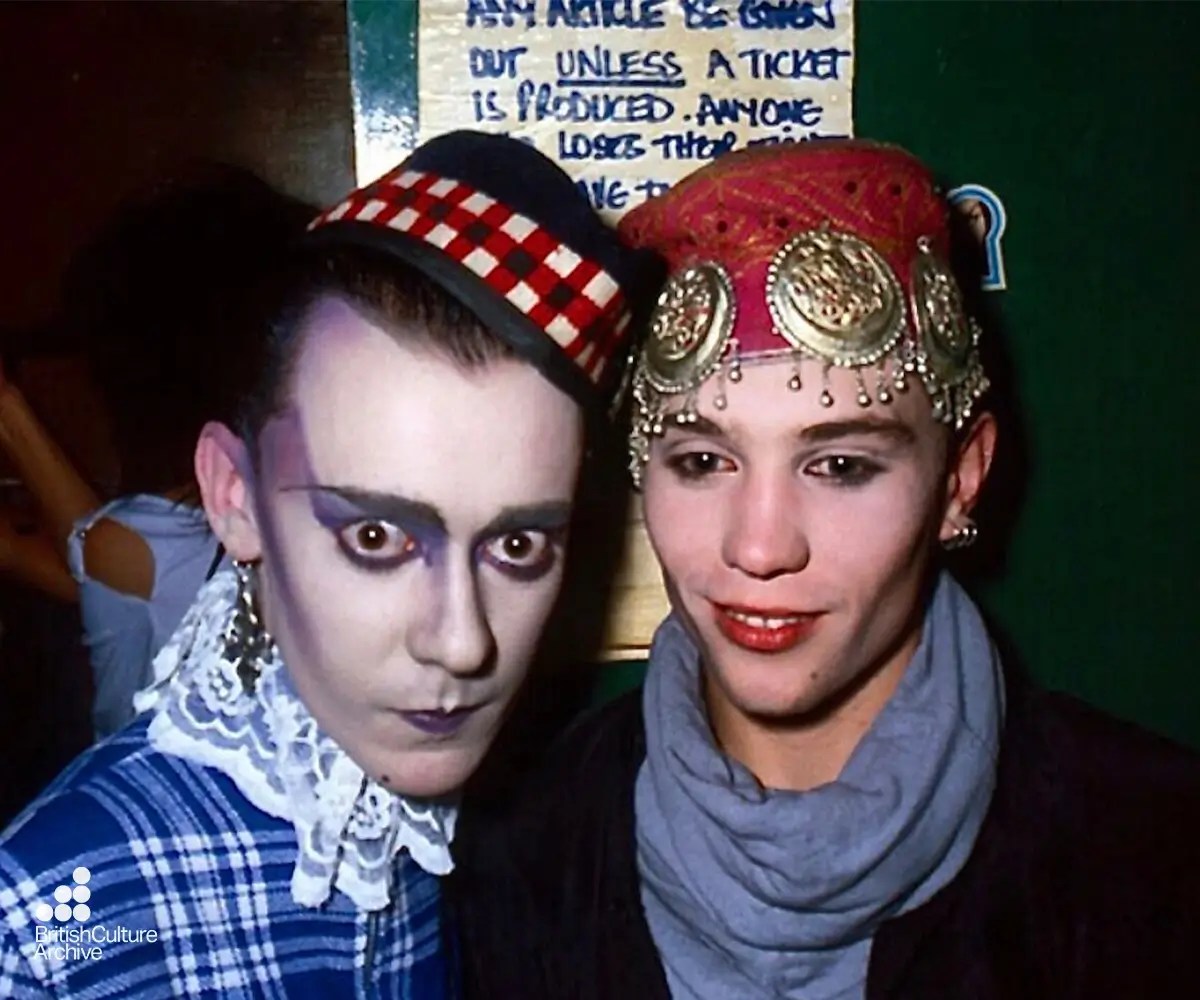
Of course, the club’s famously selective door policy complicates the romance. Steve Strange assessed people on their appearance, and not everyone was welcome. But Rusty Egan has explained that the policy was also a response to homophobic harassment and violence against people who looked different. The door could be both restrictive and protective: a barrier to entry, but also a way of creating somewhere people could express themselves without the hostility they might encounter outside.
I don’t want to romanticise a world I’ve only encountered through photographs. They are selected moments, after all, and can’t tell us everything about the people in them. But what captures my imagination is the evening beyond the frame: the dancing, the conversations, the possibility of someone noticing a detail you’d spent hours getting right. An outfit wasn’t simply something to be photographed. It was something to have an evening in.
And I find the idea of making that much of a Tuesday rather wonderful.
What we do with an influence
And that pleasure of doing something with fashion doesn’t have to belong to another decade, or even to a nightclub. Sometimes a single photograph is enough to set somebody making something of their own.
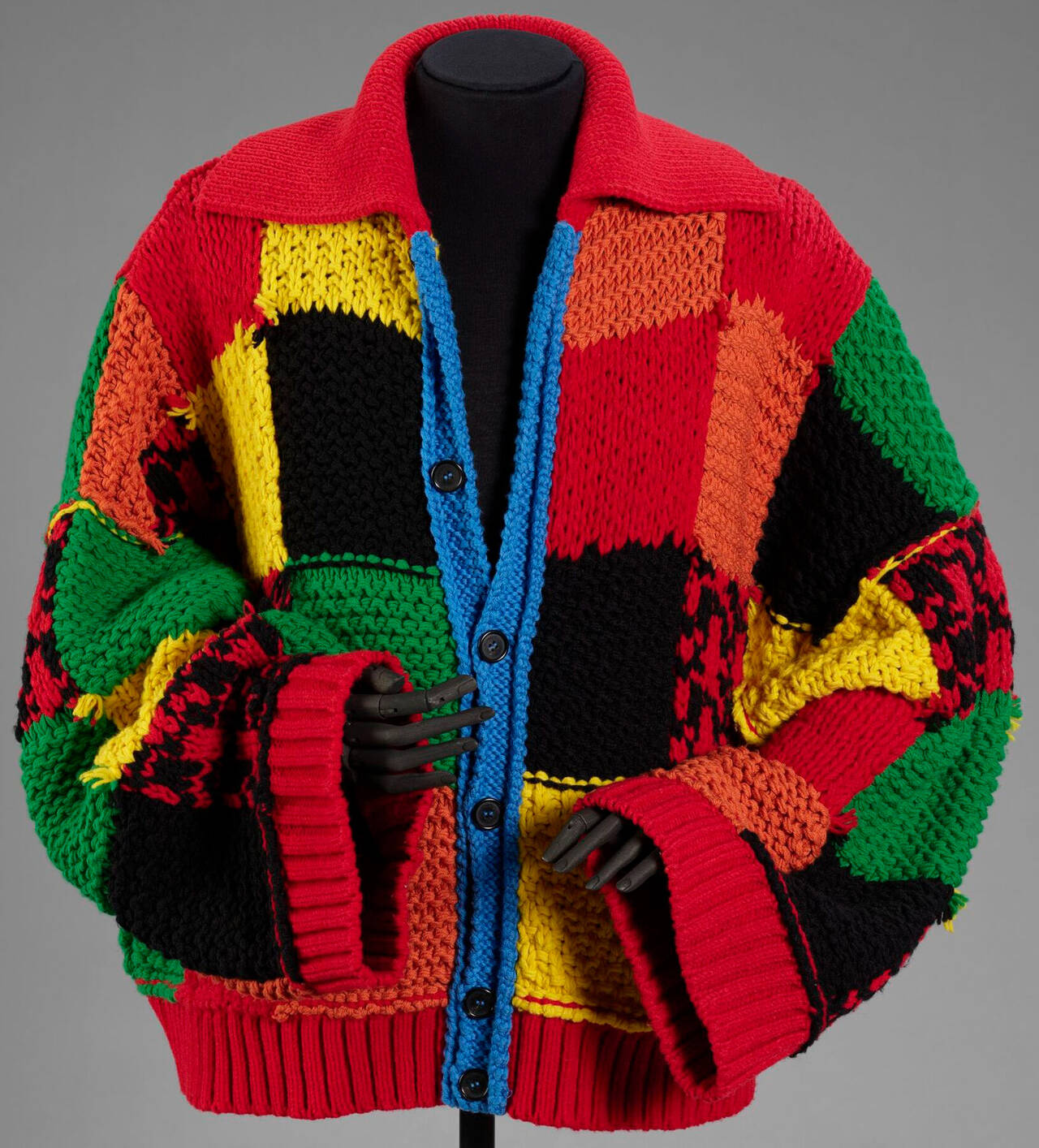
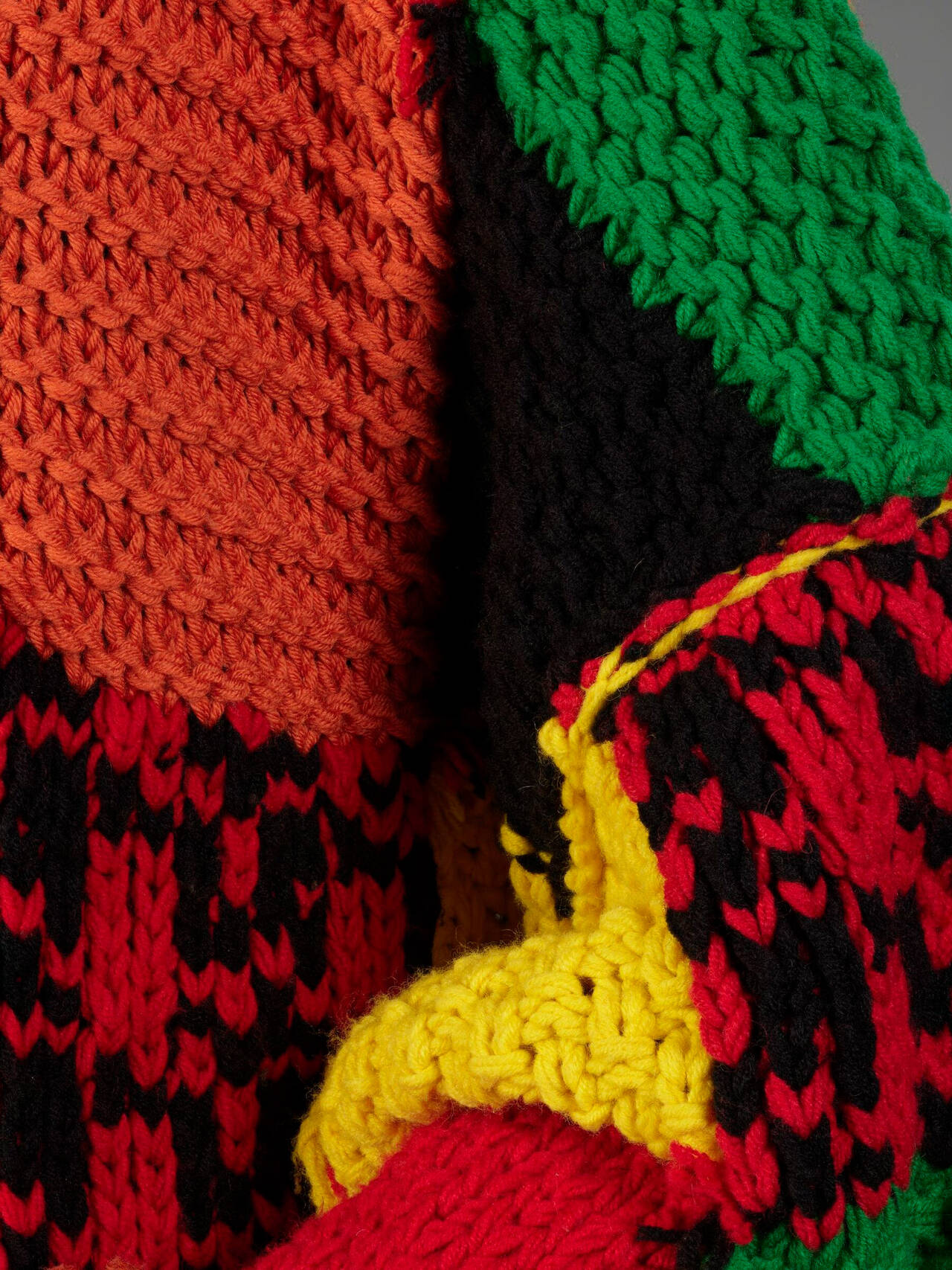
In 2020, Harry Styles’s patchwork JW Anderson cardigan inspired fans to knit their own versions. The response was so enthusiastic that the fashion house released a free pattern and tutorial. What interests me isn’t simply the cardigan itself, but what happened after people saw it. An outfit became a project. People chose yarn, learned stitches, unravelled mistakes and tried again. Even those faithfully reproducing the original were doing more than admiring it. They were taking part in its making.
There’s something rather lovely about an image that doesn’t mark the end of an idea, but the beginning of one. The finished cardigan might resemble the photograph, but the experience of making it belongs entirely to the person holding the needles. Fashion can be something we participate in, rather than simply something we aspire to look like.
Room to surprise myself
I still want pieces people recognise as mine. But I’d also like to surprise myself occasionally. To wear something simply because it catches my imagination, without having to decide whether it belongs in my wardrobe forever.
I don’t want every outfit to feel like a declaration of who I am. Sometimes I want to look beautiful, sometimes a little extraordinary, and sometimes I might just want to see what happens.
I’ll still choose the earrings, reconsider the shoes and spend far too long deciding on a belt.
And if somebody can tell I tried, I’d rather they knew how much I enjoyed it.
Love,
Callie x
Sources & image credits
This is an opinion essay informed by the historical sources below. The discussion of photographs, identity and experimentation is my interpretation, rather than a claim that everyone experiences these pressures in the same way.
- Baldassarre Castiglione, The Book of the Courtier (1528), Book I, section 26; translated by Leonard Eckstein Opdycke, 1902 edition
- London Museum, Blitz: A revolutionary 1980s club night
- British Culture Archive, Blitz Club, London, 1980: Photographs by Andrew Holligan
- V&A, Contemporary fashion trail: JW Anderson cardigan

